Shaping Ground for Stability and Drainage
Land Grading & Site Preparation in McKinney for properties with standing water, uneven foundation pads, or soil that requires controlled redistribution before construction begins
Sterling Construction & Services LLC provides land grading and site preparation services in McKinney for property owners addressing poor drainage, preparing building pads, or correcting slopes that direct water toward structures instead of away. You may be looking at puddles that form along your foundation after every rain, a yard that slopes toward the house instead of the street, or a lot that needs leveling before a concrete slab or driveway can be poured.
This service includes rough grading to establish major contours and drainage patterns, finish grading to meet engineering specifications for flatness and slope, and soil redistribution to fill low areas or reduce high spots without importing material. Foundation pad preparation ensures the building footprint sits level and drains correctly. Compaction follows grading to stabilize soil and prevent settling under driveways, slabs, or hardscape. Erosion control measures such as swales or berms redirect runoff and protect newly graded surfaces from washout.
If your property needs grading to support construction or solve drainage problems in McKinney, contact Sterling Construction & Services LLC to discuss the work and schedule a site visit.
What Grading Does to Correct Water Flow and Prepare Foundations
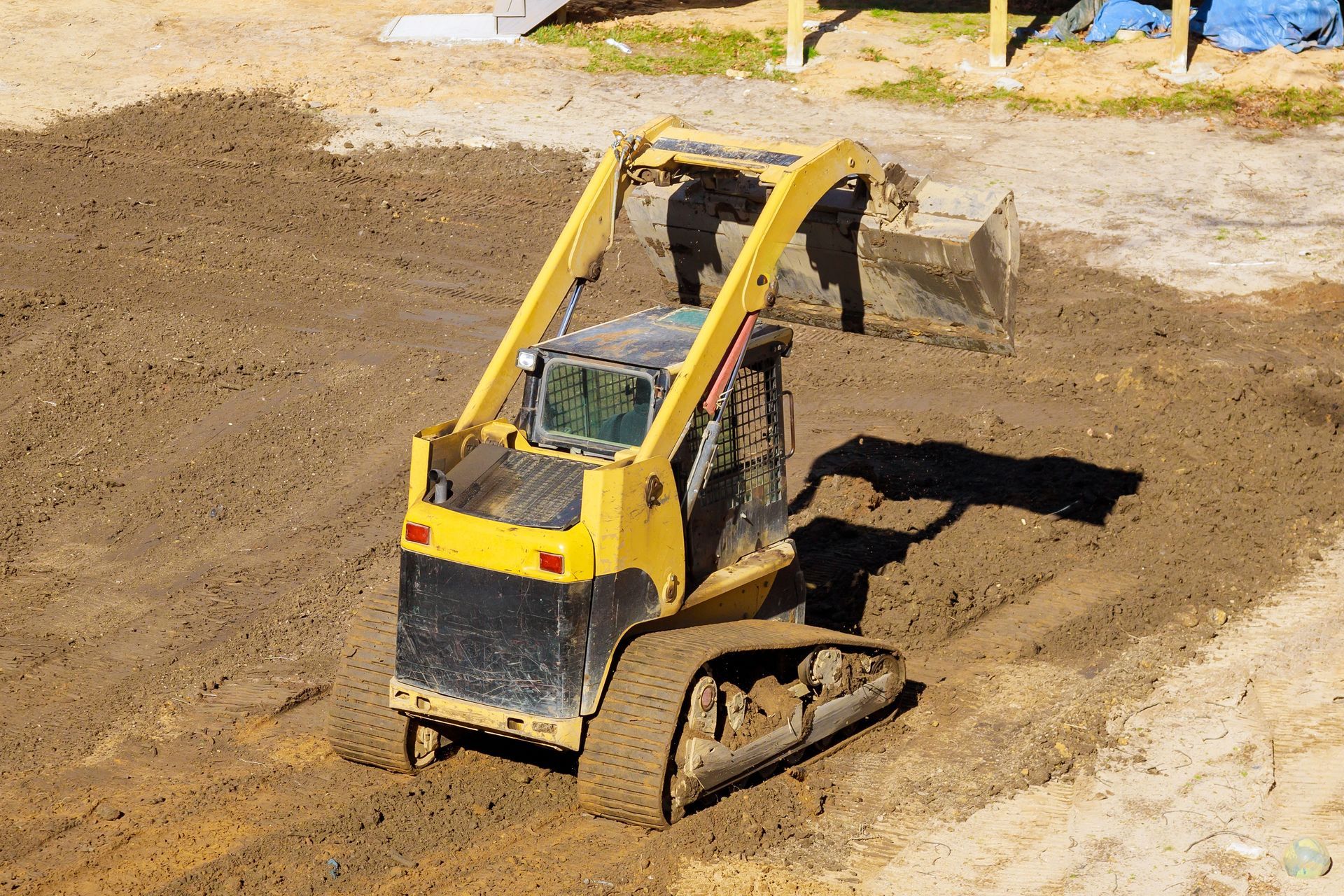
You start with a survey or builder's plan showing existing and proposed elevations. Grading equipment moves soil to match those elevations, cutting high areas and filling low spots to create slopes that drain away from buildings and toward designated runoff points. A laser level or GPS system guides the blade to ensure accuracy within tenths of a foot, which matters when foundation pads must meet structural drawings or driveways must slope enough to drain but not so much that vehicles scrape.
After grading, you will see a yard that sheds water instead of holding it, a building pad that sits level and firm, and defined drainage paths that guide runoff to the street, a culvert, or a retention area. Sterling Construction & Services LLC coordinates with inspectors and engineers so grading meets code requirements and supports the next phase of construction. You will not be left with unstable fill or slopes that wash out in the next storm.
Finish grading for landscaping or sod installation requires finer tolerances than rough grading for construction access. Compaction testing is conducted by a third-party engineer when required by permit conditions. Imported fill is used only when existing soil is insufficient or unsuitable for the grade plan. This service does not include French drain installation, retaining wall construction, or subsurface drainage systems, which require separate scopes.
Questions Property Owners Ask About Grading
Grading affects drainage, construction readiness, and long-term stability, so understanding what the work involves helps you plan for site preparation projects in McKinney.
What is the difference between rough and finish grading?
Rough grading establishes major slopes and drainage patterns using larger equipment and broader tolerances. Finish grading refines the surface to precise elevations for concrete pours, sod installation, or hardscape placement.
How much slope is needed to drain water away from a foundation?
Most building codes require a minimum slope of six inches over ten feet away from the foundation, though steeper slopes improve drainage in areas with heavy clay soil common in McKinney.
When does grading require imported fill?
Fill is imported when existing soil is too low to meet the grade plan, when unsuitable material such as organic topsoil must be replaced with structural fill, or when compaction requirements exceed what native soil can achieve.
Why does compaction matter for driveways and slabs?
Loose or poorly compacted soil settles unevenly, causing cracks in concrete and voids beneath pavement. Compaction applied in controlled lifts reduces settling and provides a stable base for construction.
What erosion control measures are used after grading?
Swales, berms, and silt fencing direct runoff and trap sediment until vegetation or hardscape is installed. Hydroseeding or straw mulch stabilizes exposed soil on slopes and prevents washout during storms.
For grading that solves drainage problems and prepares your property for construction in McKinney, reach out to Sterling Construction & Services LLC to review your site conditions and develop a grading plan.